Skip to content
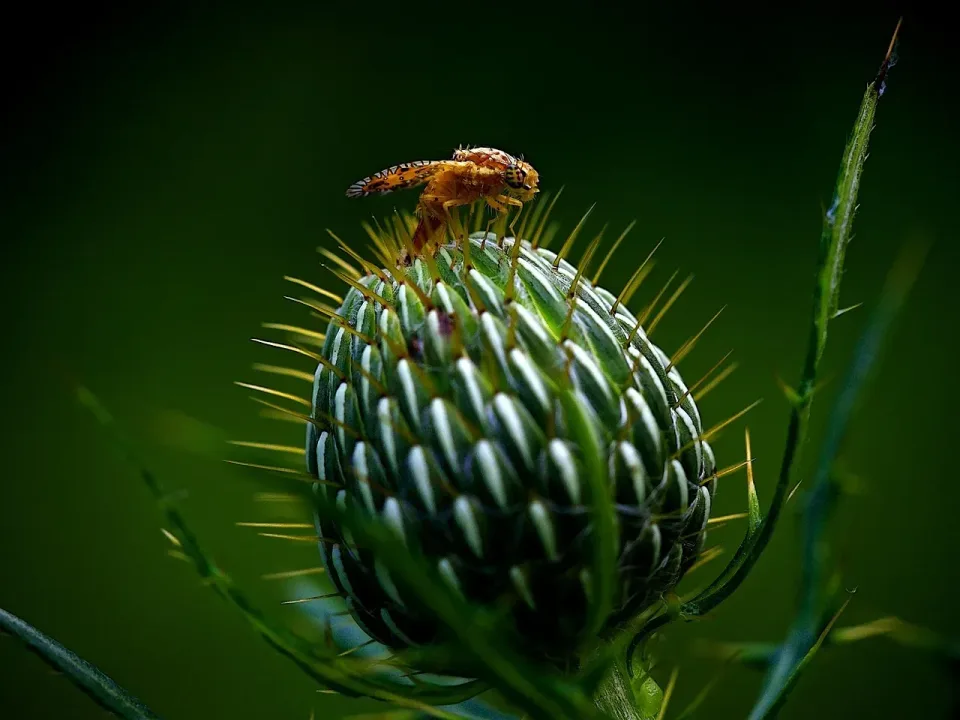
Fruit Fly — Pest Control

Pest Control · Twin Falls, ID

Pest Control in Twin Falls, ID for Spiders, Mosquitoes and Ticks That Keep Coming Back

Twin Falls sits on the rim of the Snake River Canyon, where strong canyon winds and a semi-arid high-desert climate shape every pest problem we treat.

  • Serving since 2015
  • Idaho commercial pesticide applicator licensing
  • Structural pest control training
  • General liability and workers’ compensation coverage

Request a quote

Tell us what you need and we will call you back.

Request a quote

Homes from the postwar ranch houses near Twin Falls High School to the new suburban construction out toward Twin Falls Memorial Park deal with the same cycle: summer heat drives ants indoors seeking water, then cold, snowy winters push mice and spiders inside. We handle the full range for homeowners and businesses across 83301 and 83303 ant control, rodent exclusion, spider treatment, mosquito control, yellow jacket removal, and bed bug treatment. Freeze-thaw cycles open gaps around foundations each winter, which is why exclusion work matters as much as the treatment itself. Our team inspects first, identifies the pest, and explains the plan before we treat. One call covers it. Reach Idaho Pest Pros at (855) 681-0299 and we will schedule an inspection that fits your week, not the other way around.

Who Handles Summer Ant Invasions in Twin Falls, ID?

From the brick commercial buildings downtown near Twin Falls City Hall to the postwar ranch houses around Twin Falls Public Library, Twin Falls homes share a pattern: hot, dry summers push ants and spiders toward irrigated landscaping, and that moisture near foundations gives them exactly what they need. Summer thunderstorms bring localized heavy rain that can displace ant colonies straight into garages and crawlspaces.

We route crews locally, so a call from a home near Luke’s Magic Valley Hospital or a shop off Blue Lakes gets scheduled within the same service week.

Expect a clear inspection, a written explanation of what we found, and treatment matched to the pest not a one-size package. We respect your property, clean up after ourselves, and follow up based on what we actually observe, not a fixed calendar.

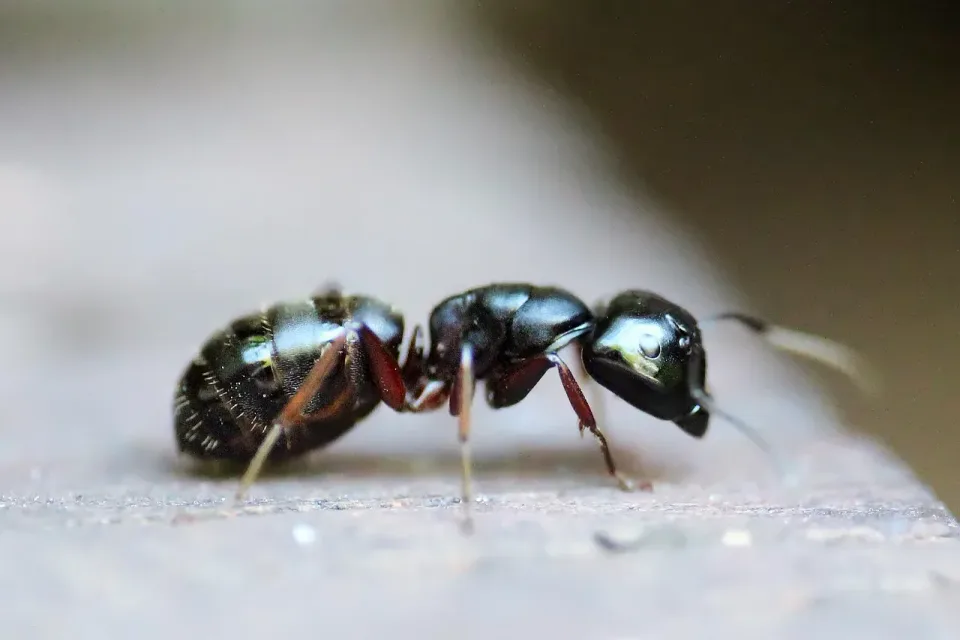
Ant — Pest Control

Common Pest Control Jobs We Handle Across 83301 and

Three calls dominate our Twin Falls schedule. We locate the trail, place bait stations sized for ant activity, and treat the foundation perimeter where they enter.

Second, mosquitoes breeding in standing water. Warm summers support mosquito breeding near standing water, and larvae can develop within days in anything from irrigation runoff to a neglected bucket. Our mosquito control targets those sources before treating resting areas.

Third, spiders and mice moving in as fall cools. Spring snowmelt can raise crawlspace moisture, which keeps those spaces attractive long after winter ends.

A quick self-check: run a flashlight along your foundation line after dark and count entry gaps. If you find more than a few, exclusion work will save you repeat treatments. We serve both 83301 and 83303, including homes near Twin Falls Community Center and outlying acreages.

How We Treat Wind-Exposed Canyon Properties in Twin Falls

Properties nearest the Snake River Canyon rim take the brunt of it. Strong canyon winds push drifting soil and debris against foundations, and cold, snowy winters increase indoor rodent activity as mice follow the warmth inward. Once snow stacks up, deep snow can limit access to exterior bait stations so we set and map stations in fall, before access disappears, and note check timing based on label and site conditions.

Homes near Twin Falls Memorial Park sit close to the canyon’s higher local humidity, which supports the spiders and earwigs we treat most often there. Rain-soaked soil from summer thunderstorms can displace ants and rodents, moving them toward drier structures usually the house next door.

For those rim-adjacent properties, we pair spider treatment with rodent exclusion: sealing gaps, screening vents, and re-checking bait access after every significant snowfall.

Pesticide Rules That Apply to Twin Falls Properties

Every product we apply carries EPA-approved pesticide labeling, and the label directions govern each use mixing rates, target sites, and re-entry intervals included.

The practical risk for a homeowner skipping this: an off-label application can fail to control the pest and can create residue problems no inspection will bless later. Confirming the target pest before selecting treatment is not paperwork it is what keeps the right material on the right insect.

For agricultural-adjacent properties in Twin Falls County, the Federal Worker Protection Standard, 40 CFR Part 170, adds posting and re-entry requirements our crews follow on farms and nurseries.

We keep licensing current, apply per label, and document every treatment. Call (855) 681-0299 and ask us anything about the products we use we will show you the label.

Why us

Local Pest Control in Twin Falls, ID

Homeowners and property managers in Twin Falls call us because we confirm the pest first, explain the plan, and treat the building with the desert climate in mind.

We Confirm the Pest

Before any product goes down, a technician identifies what is actually in or around your building. Ants, spiders, and roaches each need different work, so guessing wastes your money and lets the problem keep spreading.

Clear Explanations

Our technicians walk you through what they found, outline the recommended treatment, and share practical steps you can take to keep pests from coming back. You know what was done and why before we leave the property.

Built for Idaho

I started in pest control around Sandpoint and learned how Idaho winters, spring thaw, and wind-blown canyon air push pests indoors. We coordinate routes statewide, so Twin Falls gets the same careful inspection and treatment.

Our process

How a visit works

Every job follows the same straightforward path from your first call to the finished treatment.

01

Describe the Problem

You tell us what you are seeing and where. We ask about the pest, the rooms affected, and whether it is a home, apartment, or business so we can plan the right visit.

02

Inspect the Property

A technician checks the structure, entry points, and the areas you flagged. You get a clear read on what pest is present and how far it has spread before any work is priced.

03

Agree on the Work

We outline the recommended treatment for the confirmed pest and the scope of the job. You approve the plan knowing exactly which areas will be treated and what the visit covers.

04

Treat and Follow Up

The crew applies the treatment, records the areas and products used, and gives you re-entry instructions. We schedule any follow-up based on the pest and the treatment, not a fixed script.

Typical jobs

Typical jobs in Twin Falls, ID

Across pest control calls, the most common reasons people reach out are general pest control, rodents and ants.

Typical job

A landlord finds bed bugs in a

A technician inspects the unit, confirms the bed bug activity, and quotes a heat treatment based on what the building actually requires. The owner gets a written scope before committing, and tenants get clear instructions on preparing the unit before treatment day.

Typical job

A homeowner spots a wasp nest hanging

The crew locates the nest, treats it with the right product for the species, and removes the nest once the activity is dead. The yard is safe to use again, and the technician points out where to check for new nest starts later.

Typical job

A resident keeps finding mouse droppings in

The technician inspects for entry points, sets up control measures, and explains how to store food and seal gaps that let mice inside. Activity drops off, and the customer knows which openings to close so the mice do not return through the same route.
Warning signs

Warning signs to watch for

Ant Trails on Counters

Ant trails on counters mean scouts found food and told the colony. Wipe the trail but leave a section intact for the technician to follow, and store sweets and pet food in sealed containers until the visit.

Carpenter Ant Frass

Carpenter ant frass looks like fine sawdust mixed with insect parts, often under window sills or along baseboards. Unlike drywood debris, it signals ants tunneling in damp wood, so it is worth an inspection rather than a spray.

Roaches Under Appliances

Roaches emerging from beneath kitchen appliances usually mean a population is nesting nearby in warm, dark gaps. Seeing them in daylight suggests the numbers are growing, which is the point to call instead of setting a few traps.

Spiders in Basement Corners

Spiders gathering in basement corners often follow the insects they feed on. Frequent web rebuilding in the same spots means a steady food source, so treating the underlying pest problem works better than knocking down webs.

Through the year

Pest pressure through the year

Spring

The spring thaw pushes ants, spiders, and overwintering insects out of walls and foundations. Treatments placed now catch colonies as they restart, before trails reach kitchens and pantries.

Summer

Heat and canyon winds drive wasps, yellow jackets, and crickets toward buildings looking for water and shade. Regular service through the warm months keeps nests and invaders from settling in.

Fall

Cooling nights send mice and spiders hunting for winter shelter, and wall cavities are their first stop. Sealing entry points and treating perimeters now prevents an indoor problem all winter.

Winter

Even in the high desert, rodents and roaches stay active indoors once they are in. Winter visits catch the pests already inside and prep the exterior before the next thaw.

Before you hire

Questions to ask before you hire

Q1

Are your applicators licensed for structural pest control in Idaho?

An Idaho commercial pesticide applicator license means the technician is trained on the products and methods legal for structural work, which protects your property and the people in it.

Q2

What is included in the treatment and how often will you come?

Some jobs need one visit and others need a schedule. Getting the scope and visit frequency in writing up front prevents surprise charges later.

Q3

What do I need to do before you arrive?

You will likely need to remove food, dishes, and pet bowls and keep children and pets away during application. Knowing this ahead of time keeps the visit on schedule.

Q4

What are the contract terms and follow-up policy?

Ask whether follow-up visits are scheduled based on the pest and treatment, and whether you are locked into a term. Clear terms let you compare providers fairly.

Ready to get started?

Call to talk through your job in Twin Falls.

11+

Years serving Twin Falls

46

Areas served

FAQ

Pest Control FAQs in Twin Falls, ID

Straight answers for customers in Twin Falls on pricing, delivery, and scheduling.

How much does pest control cost in Twin Falls, ID?

Most general pest treatments in Twin Falls run $100–$300 depending on pest type and visit frequency. Ant treatment typically falls between $150–$400 based on colony location and nesting access, and rodent exclusion runs $300–$1,500 depending on how many entry points need sealing and what repair materials the job requires. Final quotes vary by pest, property size, infestation severity, access, and treatment scope we inspect first, then quote.

Why do ants keep coming back to my kitchen counter every summer?

Twin Falls’ hot, dry summers drive ant colonies indoors looking for water, and irrigated landscaping around foundations gives them a staging area right outside your wall. Spraying the visible trail kills foragers but not the colony, which may hold thousands of ants.

We identify the trail, bait it so the colony carries treatment back to the nest, and treat the foundation perimeter. If trails return within a few weeks of a DIY spray, the colony was never touched.

When should I schedule rodent exclusion before winter?

Early fall is the window. Cold, snowy Twin Falls winters push mice indoors, and freeze-thaw cycles open new gaps around foundations each season. Once deep snow arrives, exterior bait stations can become buried and hard to service. Sealing entry points in September or October before the first hard freeze costs less than treating an established indoor population in January.

Do you treat both 83301 and 83303?

Yes. We cover all of Twin Falls, including both 83301 and 83303, from downtown brick buildings near City Hall to newer suburban construction on the city’s edges. Crews are dispatched locally, so scheduling usually happens within the same service week.

ZIP code

ZIP Codes We Serve in Twin Falls, ID

Pest Control covers every ZIP code in Twin Falls, ID.

8330183303
Local Leadership

Meet Your Local Experts

Caleb Turner Lead Expert

Idaho Pest Pros

"Practical Pest Control Across Idaho"

I started in pest control in North Idaho and built my experience treating homes and businesses around Sandpoint. I learned that Idaho’s long winters, spring thaw, and wooded properties call for careful inspections and treatments suited to the pest and the building.

11+ years experience Idaho commercial pesticide applicator licensing Structural pest control training General liability and workers’ compensation coverage
Get a Quote

Get a Pest Control Quote in Twin Falls, ID

Share job details below or call our team directly. Phone: (855) 681-0299

Call Us

(855) 681-0299

Our Location

Twin Falls, ID

Working Hours

Mon–Sun 8am–8pm

Nearby Cities

Service Areas Within 30 Miles of Twin Falls

Pest Control is also available in these nearby communities.